Airbrush Makeup: Is it Right for You?
Airbrush makeup has long been associated with flawless skin and that almost too-perfect-to-be-real finish. But while it may feel like a modern luxury experience, its origins actually trace back to old Hollywood—and its evolution tells a much bigger story about how beauty trends cycle, innovate, and re-emerge.
As a Los Angeles-based event makeup artist, this is one of the most common questions I get from clients trying to decide between airbrush makeup vs traditional makeup.
Whether you're a bride researching airbrush makeup for your wedding or event, or simply curious about the technique, this guide breaks down everything you need to know:
What Is Airbrush Makeup & How Does It Work?
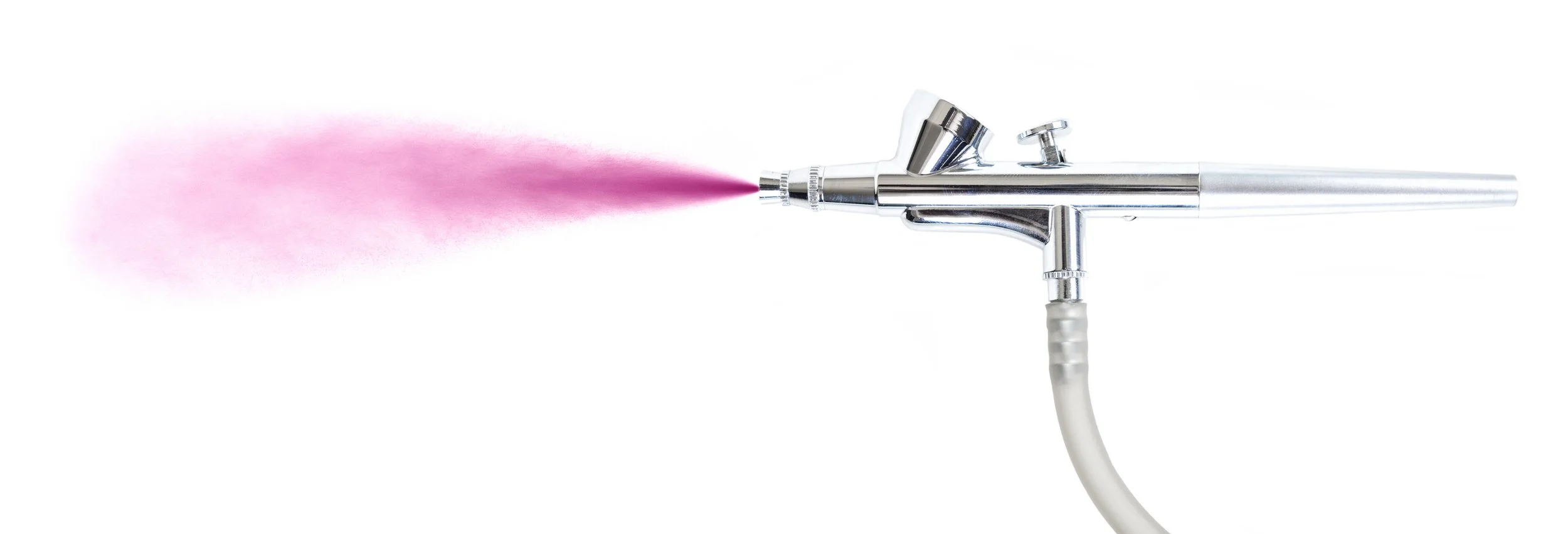
Before we get into the history of the technique, let’s answer the big question: what is airbrush makeup?
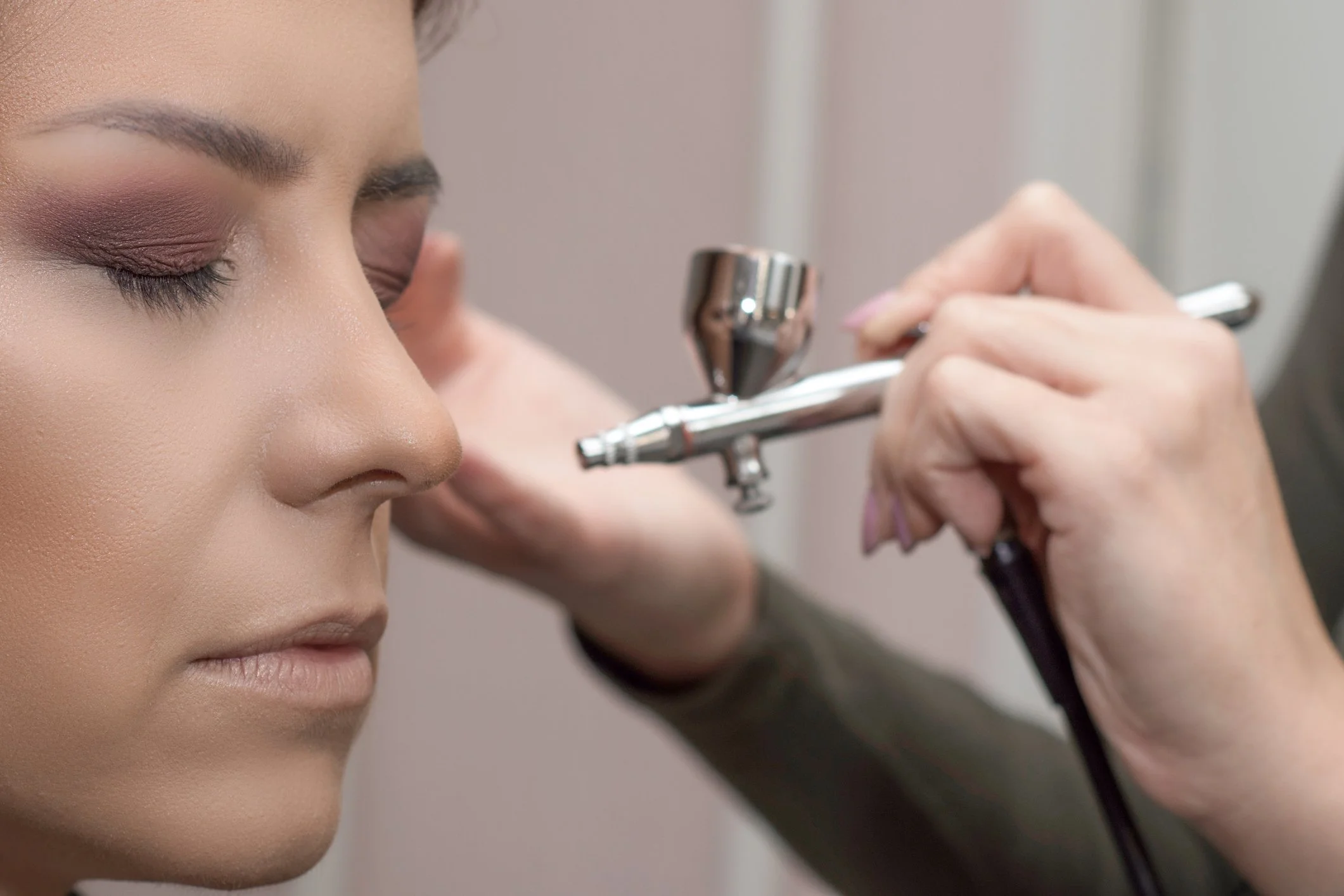
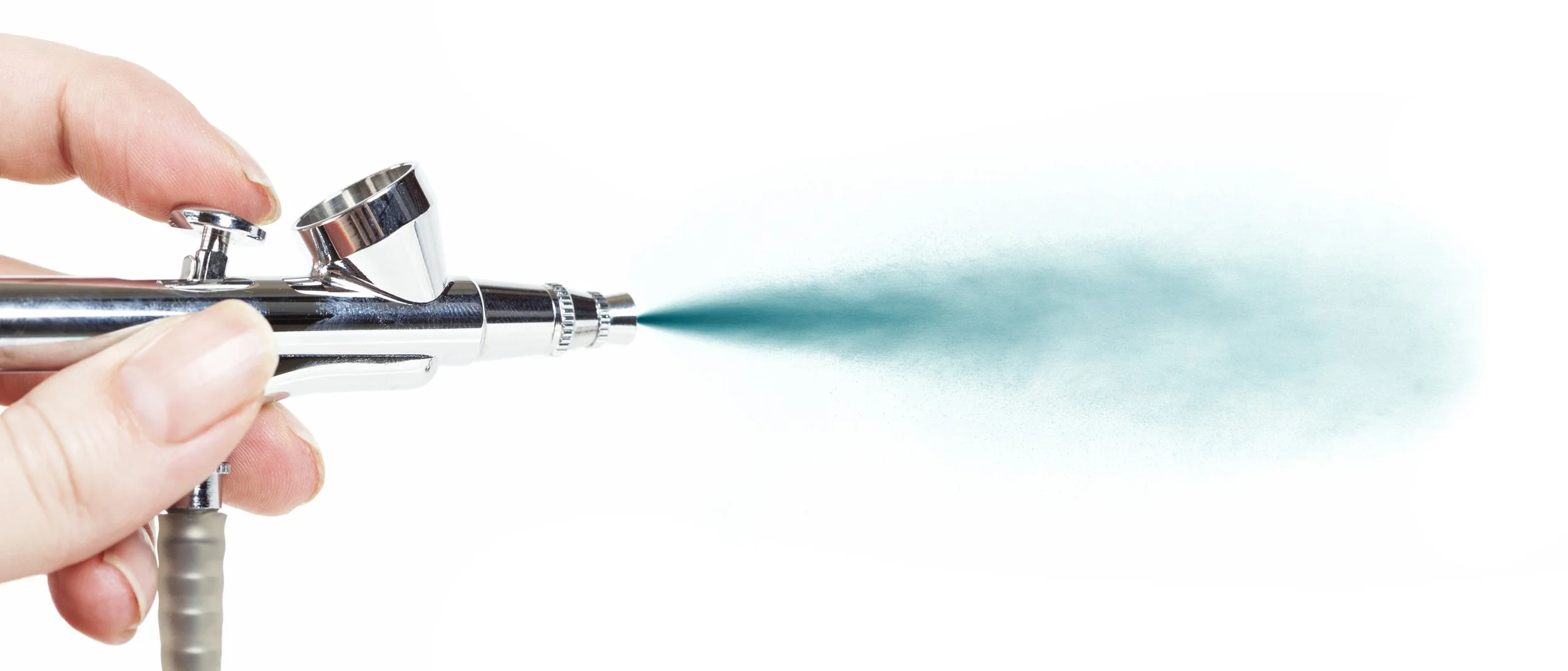
Airbrush makeup is a technique where foundation (blush, bronzer, highlight, eyeshadow, etc.) is applied using a small air-powered device that sprays a fine mist of product onto the skin.
This creates:
A lightweight, even layer of coverage
A smooth, skin-like finish
Buildable coverage from sheer to full
Because of how finely the product is dispersed, airbrush makeup is often described as:
Long lasting makeup
Waterproof or water-resistant makeup
Transfer-resistant makeup
These qualities are exactly why airbrush makeup for weddings and events became so popular—especially for those looking for makeup that holds up through heat, sweat, and long event days.
The Origins of Airbrush Makeup: A Hollywood Solution
Airbrush makeup didn’t start as a beauty trend—it started as a practical solution.
According to Temptu (via accounts sourced from Wikipedia), the technique gained recognition during the production of the 1959 film Ben-Hur. Makeup artists needed to prepare thousands of extras to look like sun-touched Romans.
Applying traditional foundation to that many people was unrealistic in the small amount of hours they had to prepare extras for set. So they improvised.
Using spray tools, they created a makeshift airbrush to quickly apply foundation evenly and bronze complexions across the large groups of actors. The result? Efficient, consistent, and to their pleasant surprise — it looked natural on camera!
That moment sparked something bigger in Hollywood.
The Hollywood Era: 1970s–1990s
Following Ben-Hur, airbrush makeup began gaining traction across the film and television industry. By the 1970s and onward, it became a go-to for behind the scenes beauty studios in Hollywood.
Why? Because cameras were evolving.
With improvements in film quality—and later, the rise of high-definition television—traditional makeup techniques could appear heavy or textured on screen. Airbrush offered a smoother, finer application that looked more seamless under intense lighting and close-up shots.
It quickly became essential for:
Film and television productions
Editorial shoots
Special effects makeup
Body painting and fantasy looks
And importantly—it stayed largely within the professional world for decades.
The Boom Years: Airbrush Goes Mainstream (2000s)
If you were in the beauty world in the late 2000s to early 2010s, you felt the airbrush boom.
This was when airbrush makeup stepped out of Hollywood and into the hands of everyday artists—and even consumers.
It became:
A must-have service for bridal artists
A selling point for flawless, long-wear makeup
A trend feature at trade shows and beauty expos
Airbrush wasn’t just about foundation anymore. It was:
Face art
Body shimmer
Hair stenciling
Creative editorial looks
It felt futuristic. Elevated. Technical. And honestly? A little magical.
Brands marketed it as the secret behind:
News anchors’ flawless skin
On Screen celebrity looks
“HD-ready” perfection
And clients were sold on one key promise: perfect skin that lasts all day (and night).
Airbrush Makeup Today: Where It Fits in Modern Beauty
Fast forward to today, and airbrush makeup is no longer the only way to achieve a flawless finish—but it still holds a very specific and valuable place in the industry.
You’ll most commonly find it used in:
Bridal and event makeup
Film and television
Special effects and body artistry
Why Clients Still Love It
Airbrush makeup is known for:
Long wear
Water resistance
Transfer resistance
Lightweight feel
Buildable coverage (from sheer to full)
It can create that “skin-but-better” finish when applied correctly—and for certain clients, especially those concerned about longevity, it’s a great option.
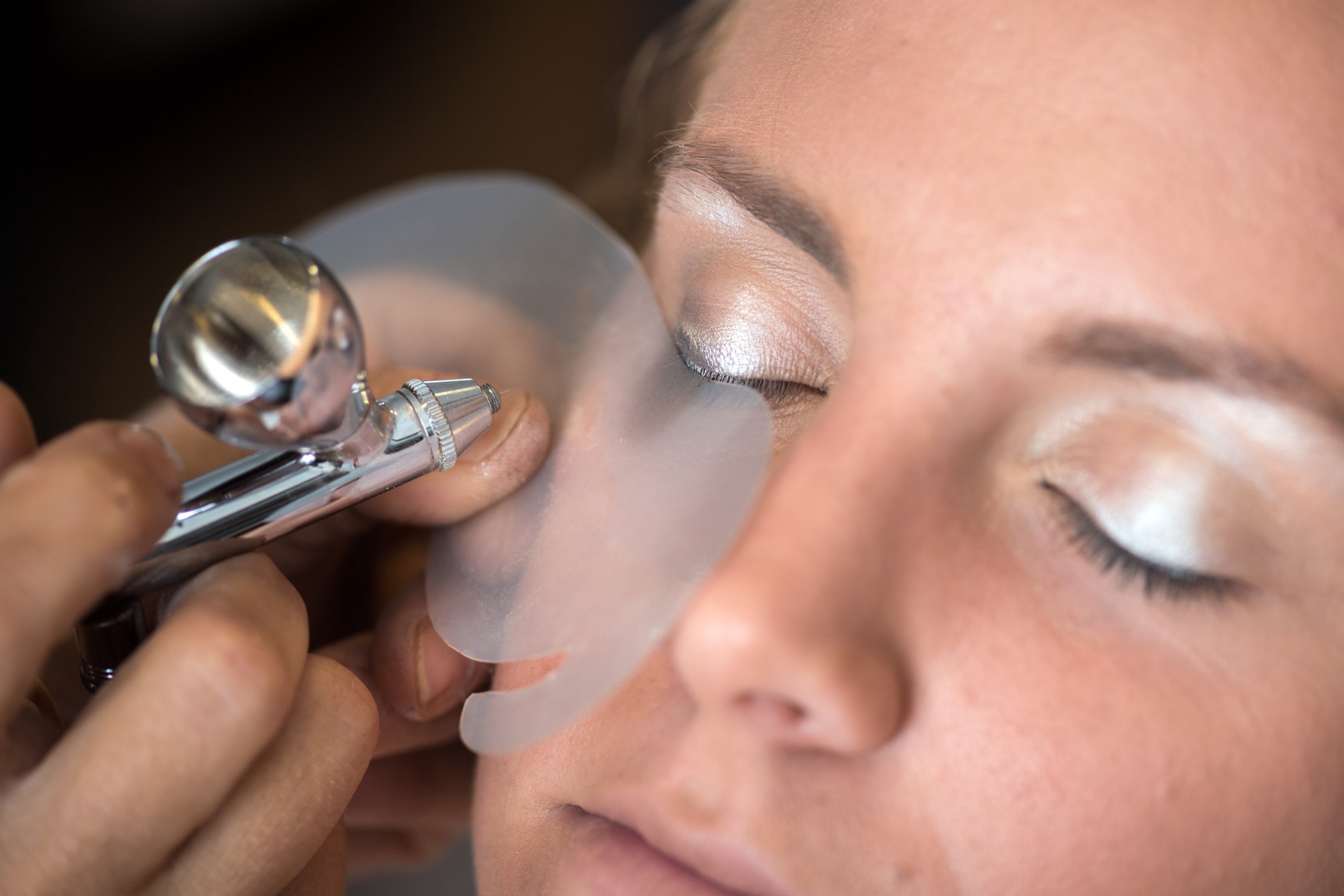
The Major Airbrush Makeup Brands
Let’s briefly touch on the brands that help define—and continue to shape—the airbrush space today.
Temptu is arguably the most recognizable name in airbrush makeup today.
What they’re known for:
Their Temptu Air—a cordless, handheld airbrush system
User-friendly design (great for artists and clients)
Silicone-based formulas with a natural skin-like finish
Best for:
Bridal artists
On-location work
Artists who want portability without sacrificing performance
Temptu really changed the game by making airbrush more accessible and mobile. The cordless system removed one of the biggest barriers—bulky compressors—and made it far more practical for working artists.
Dinair is one of the original pioneers in airbrush makeup.
What they’re known for:
Water-based formulas
Extensive shade ranges
Strong presence in early airbrush education
Best for:
Artists who prefer lightweight, breathable finishes
Training and foundational skill-building
Many artists (including myself) were trained using Dinair Airbrush systems. They played a huge role in making airbrush education more accessible during its rise in mass popularity.
Kett is a favorite among professional artists.
What they’re known for:
High-performance, pro-grade formulas
Skin-like finishes that read beautifully on camera
Compatibility with both airbrush and traditional application
Best for:
Film, TV, and editorial work
Artists who want versatility across application methods
HD and high-detail environments
Kett sits at that intersection of artistry and performance—less consumer-facing, more pro-driven.
Art of Air is often considered the most budget-friendly of airbrush makeup options.
What they’re known for:
Affordable starter kits
Accessibility for beginners
Home-use systems
Best for:
DIY users
Artists experimenting with airbrush for the first time
Budget-conscious buyers
While it may not have the same professional-level performance as higher-end brands, it’s a great introduction to the airbrush makeup world.
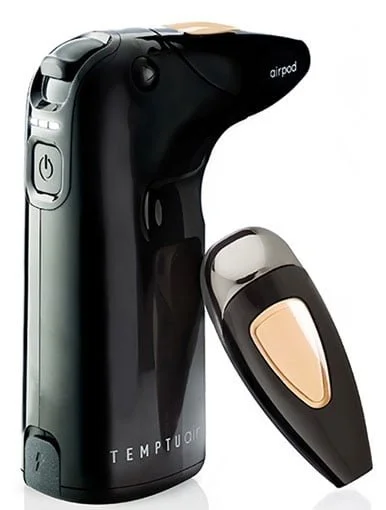
My Experience with Airbrush Makeup
I started offering airbrush makeup services around 2018. I was originally trained using the Dinair Airbrush system, which gave me a great introduction into technique and control.
But like many artists, I evolved with the tools.
When the Temptu Air came out (pictured above), it was a game-changer.
It’s reliable. It’s efficient. And when used intentionally, it delivers beautiful results.
Airbrush Makeup vs Traditional Makeup: My Honest Take
Here’s where I like to keep it real—because while airbrush makeup is an amazing technique, it’s not always the best option for every client.
Makeup as a whole has evolved so much.
The formulas we have now? Incredible.
The finishes? Customizable.
The range of products? Endless.
And that’s where my biggest consideration comes in:
Mixability & Customization
With traditional makeup application, I have complete control.
I can:
Layer and mix different formulas
Adjust textures and finishes in real time
Adapt to skin type (dry, oily, textured, mature—you name it)
Airbrush, by nature, is more limited in that flexibility.
While you can build coverage and adjust the finish, it doesn’t quite allow for the same level of micro-customization that traditional methods do.
What I Typically Recommend
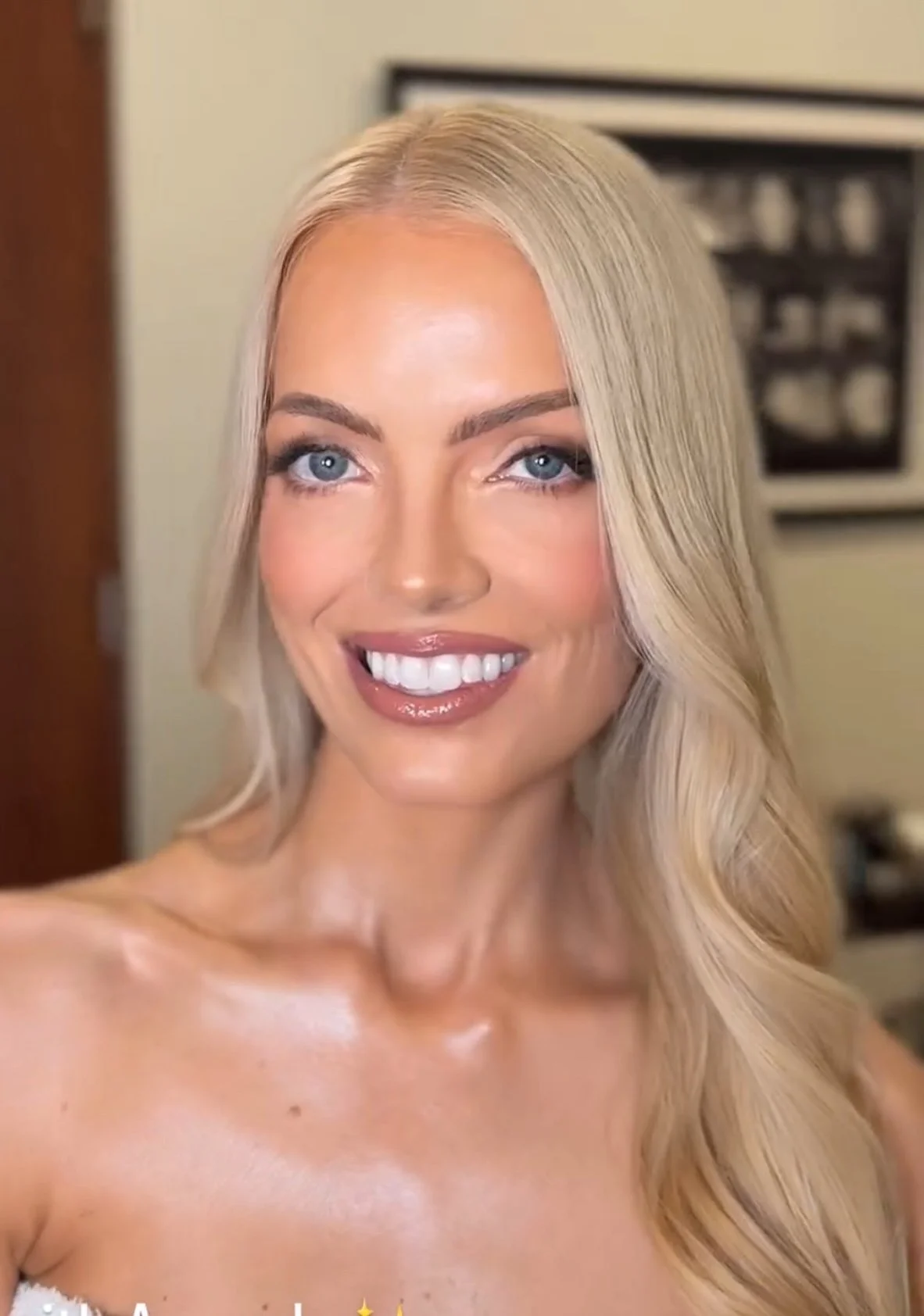
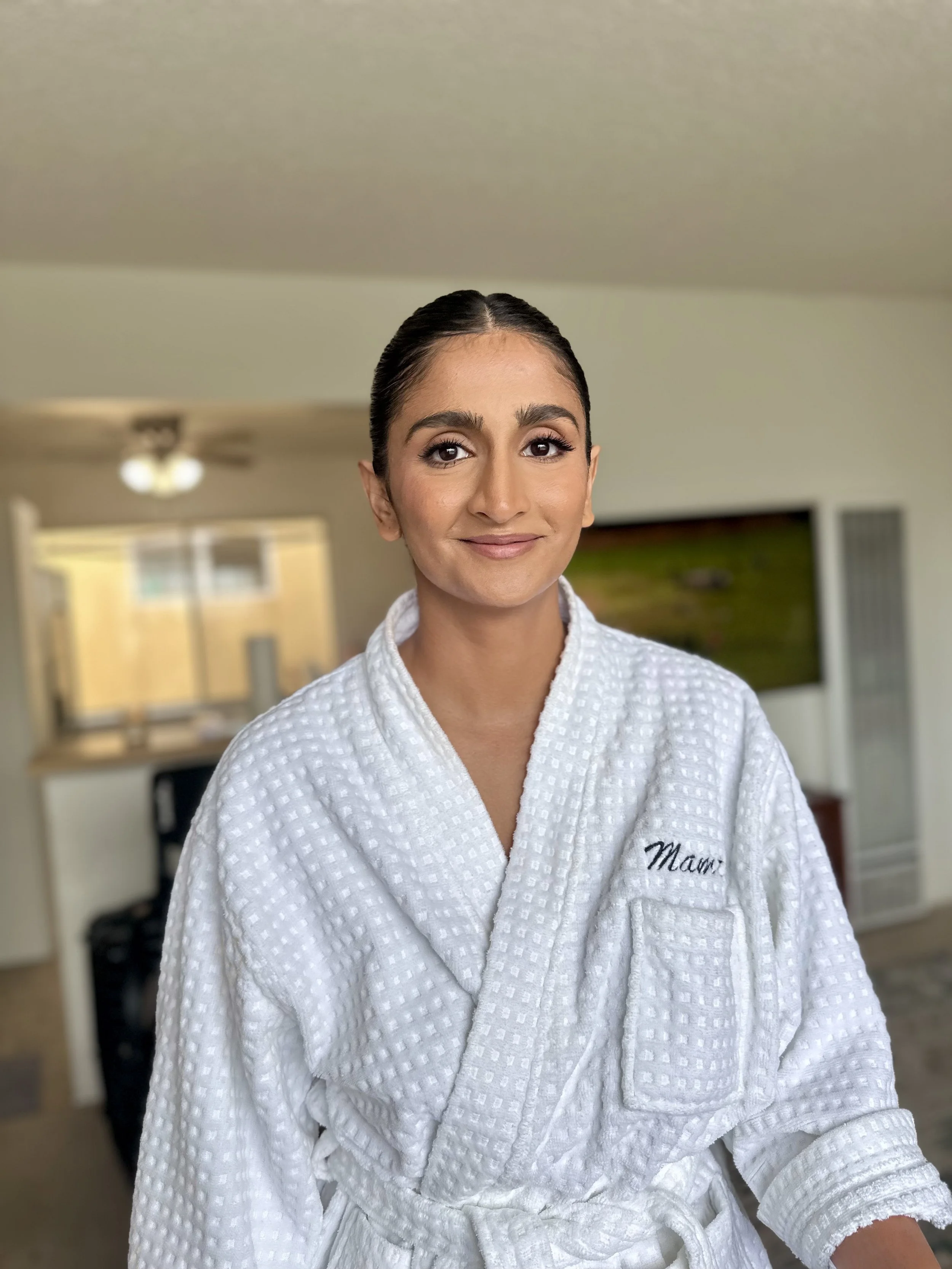
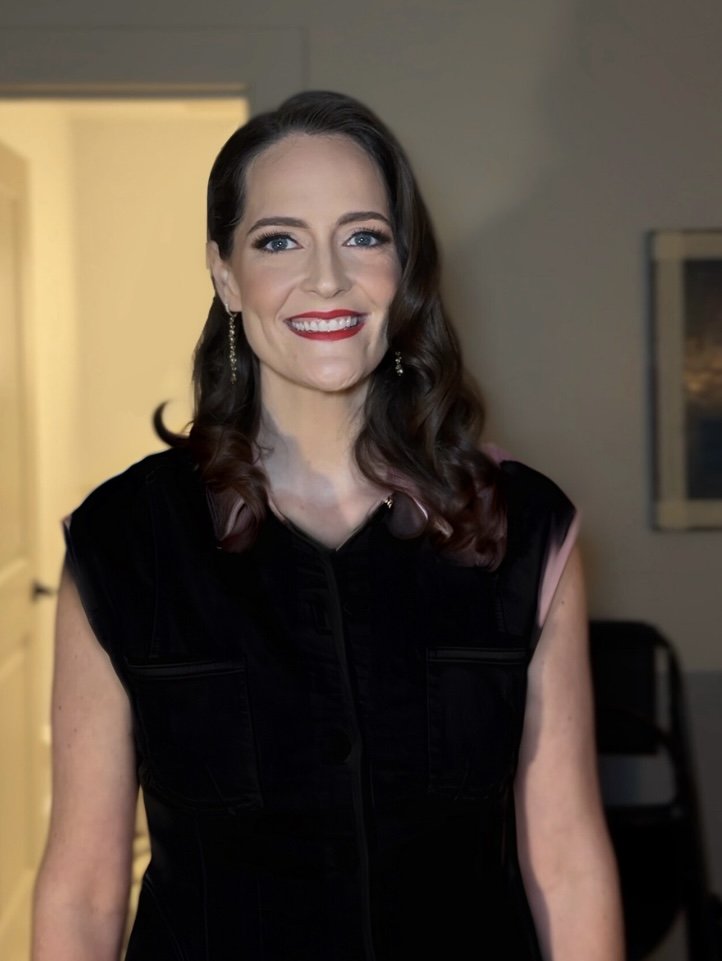
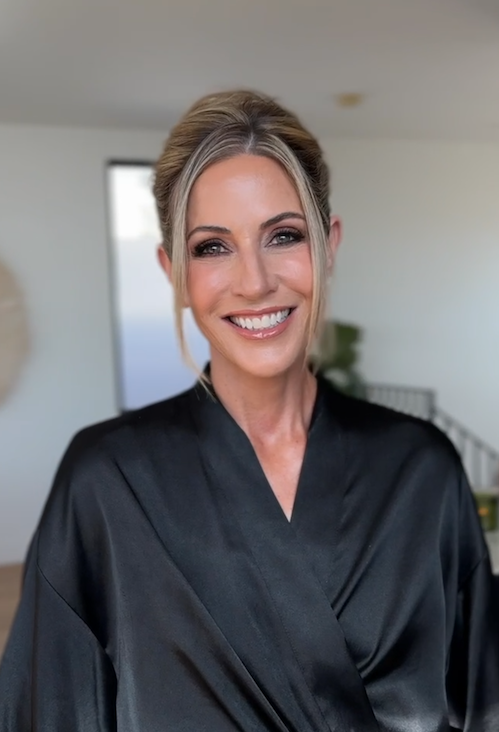
For most clients, I lean toward traditional application.
Why?
Because it allows me to:
Fully customize your skin prep
Blend multiple products seamlessly
Control every detail of your finish
Tailor your look to your exact vision
My goal is always the same:
Seamless, radiant, photo-ready glam that looks incredible both in person and on camera.
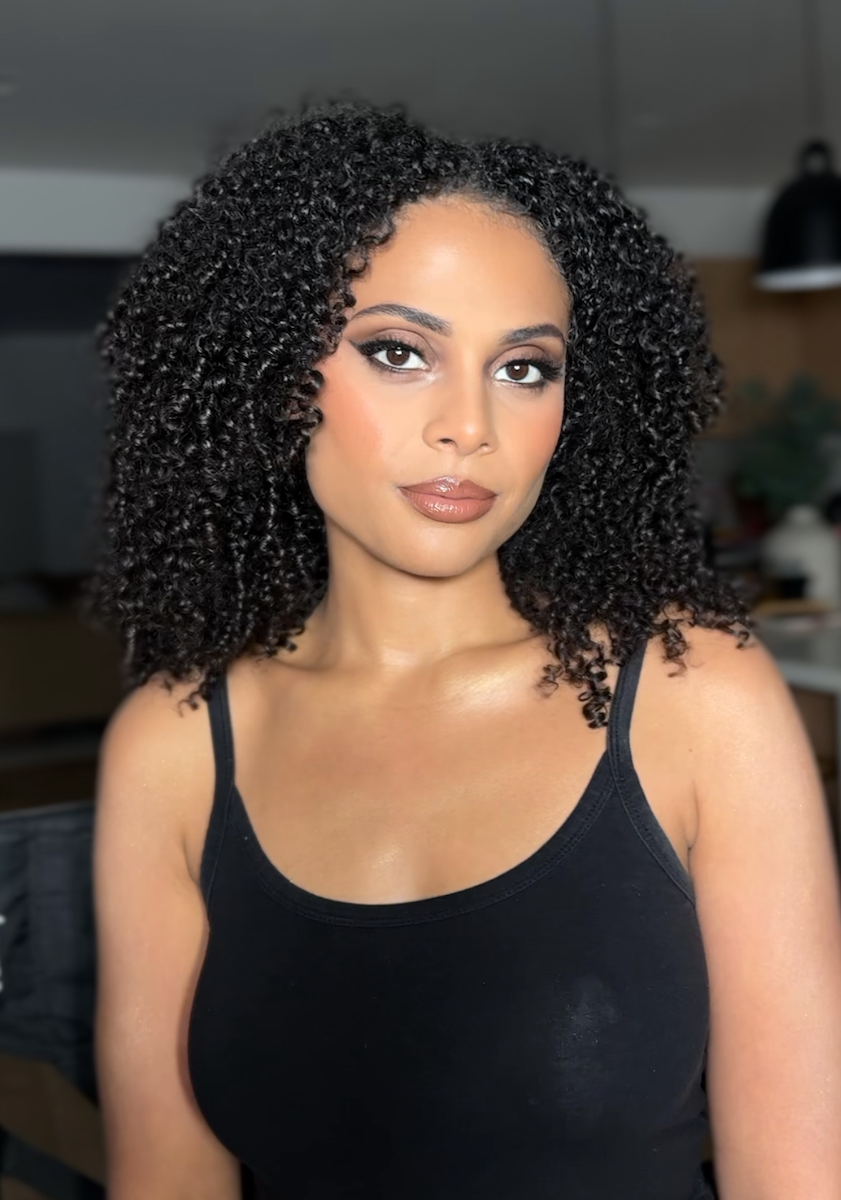
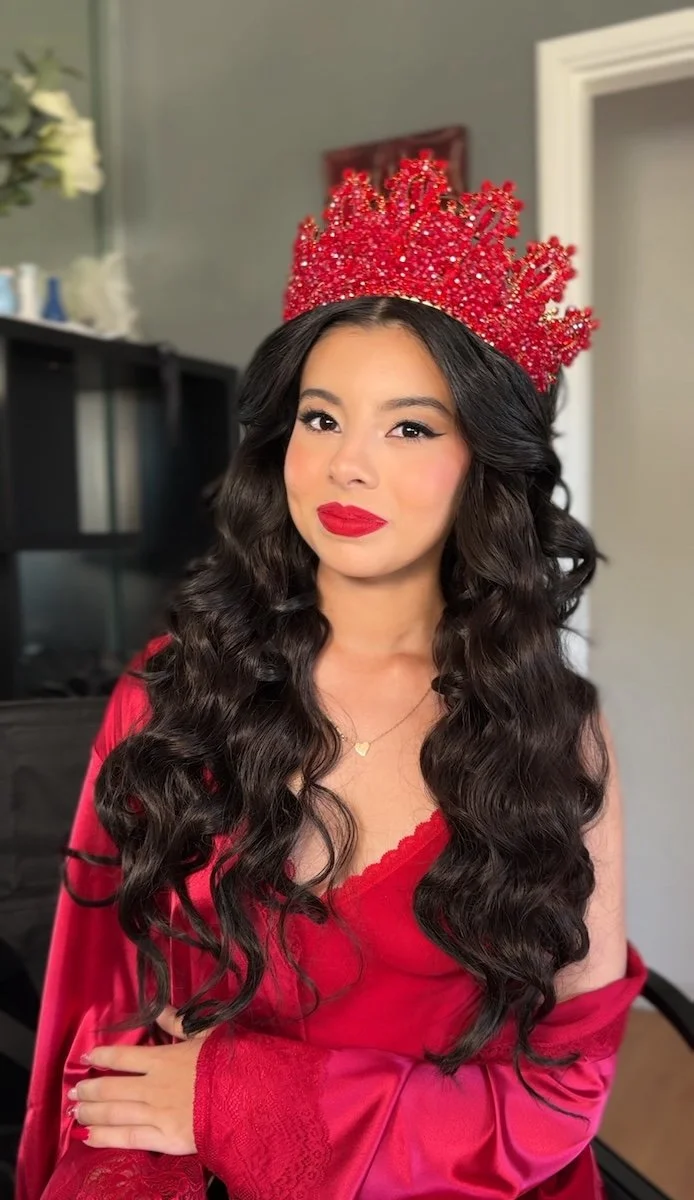
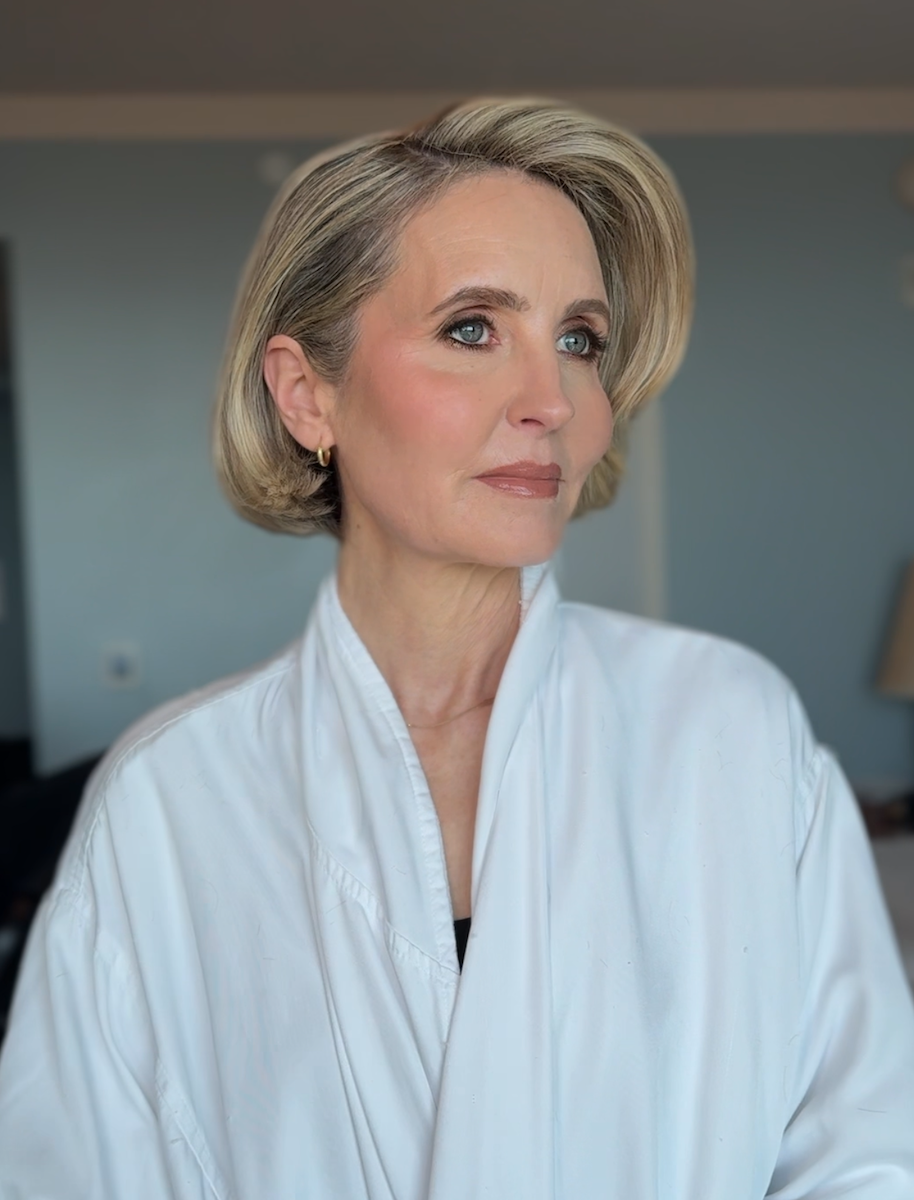
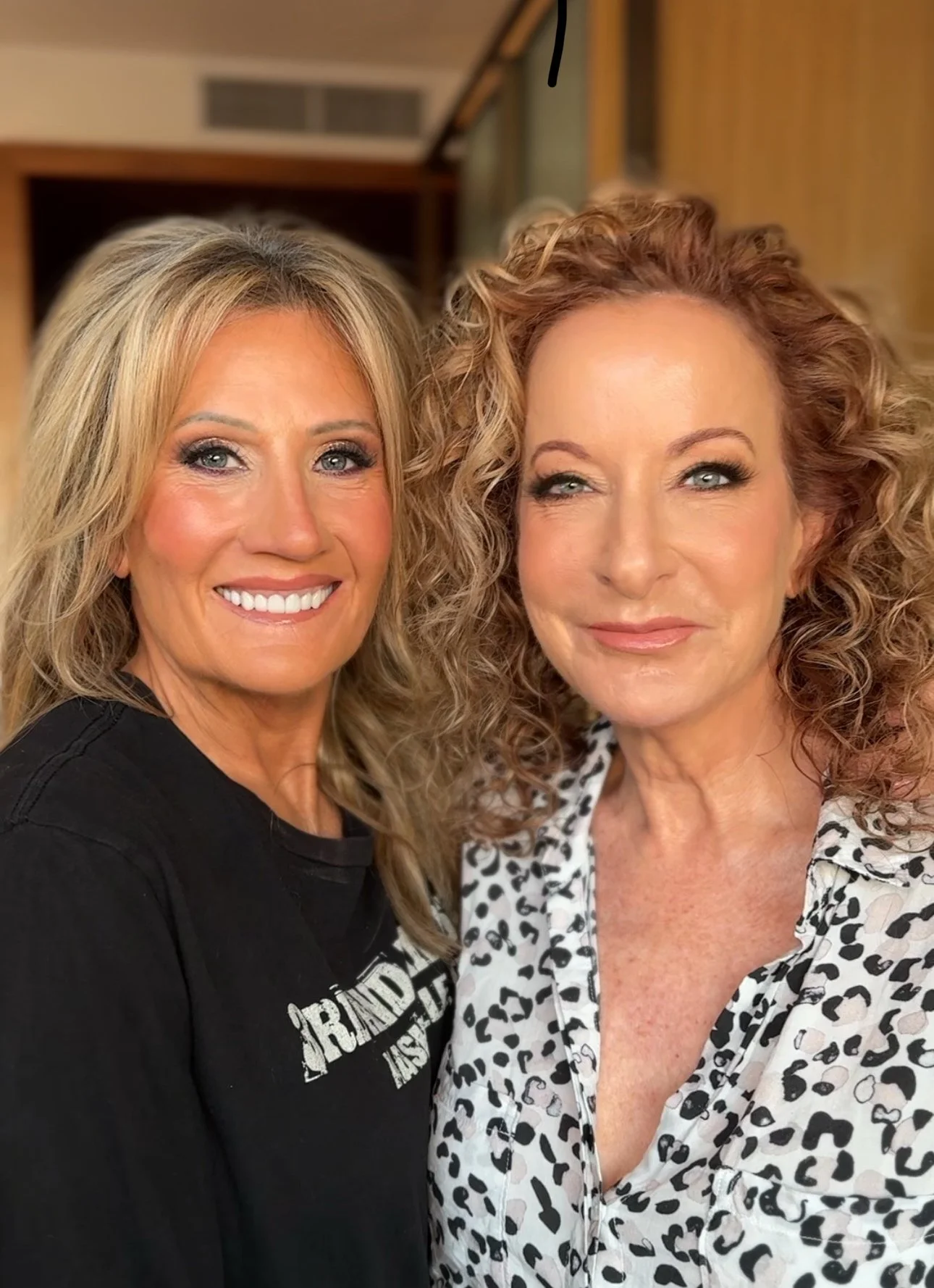
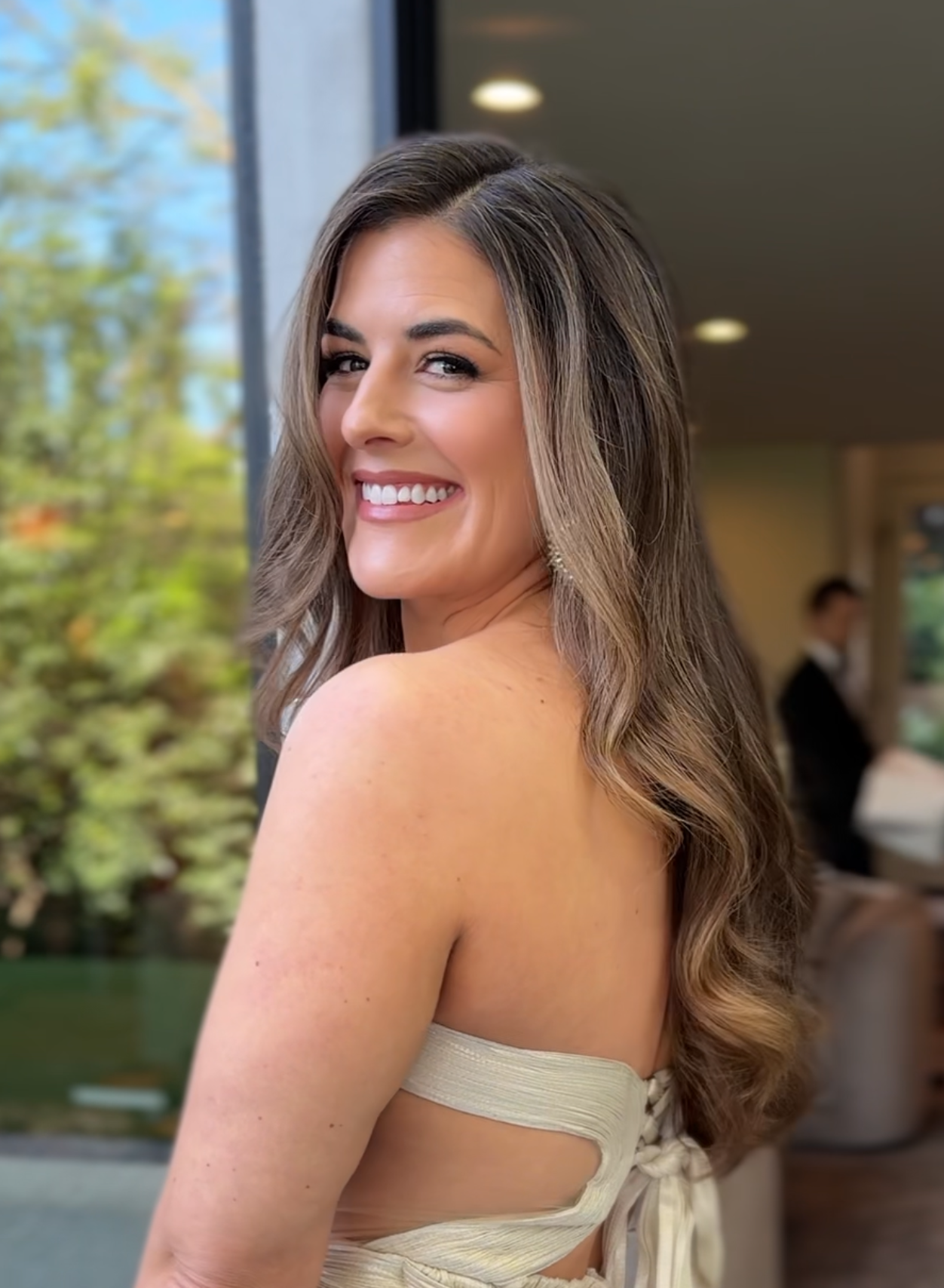
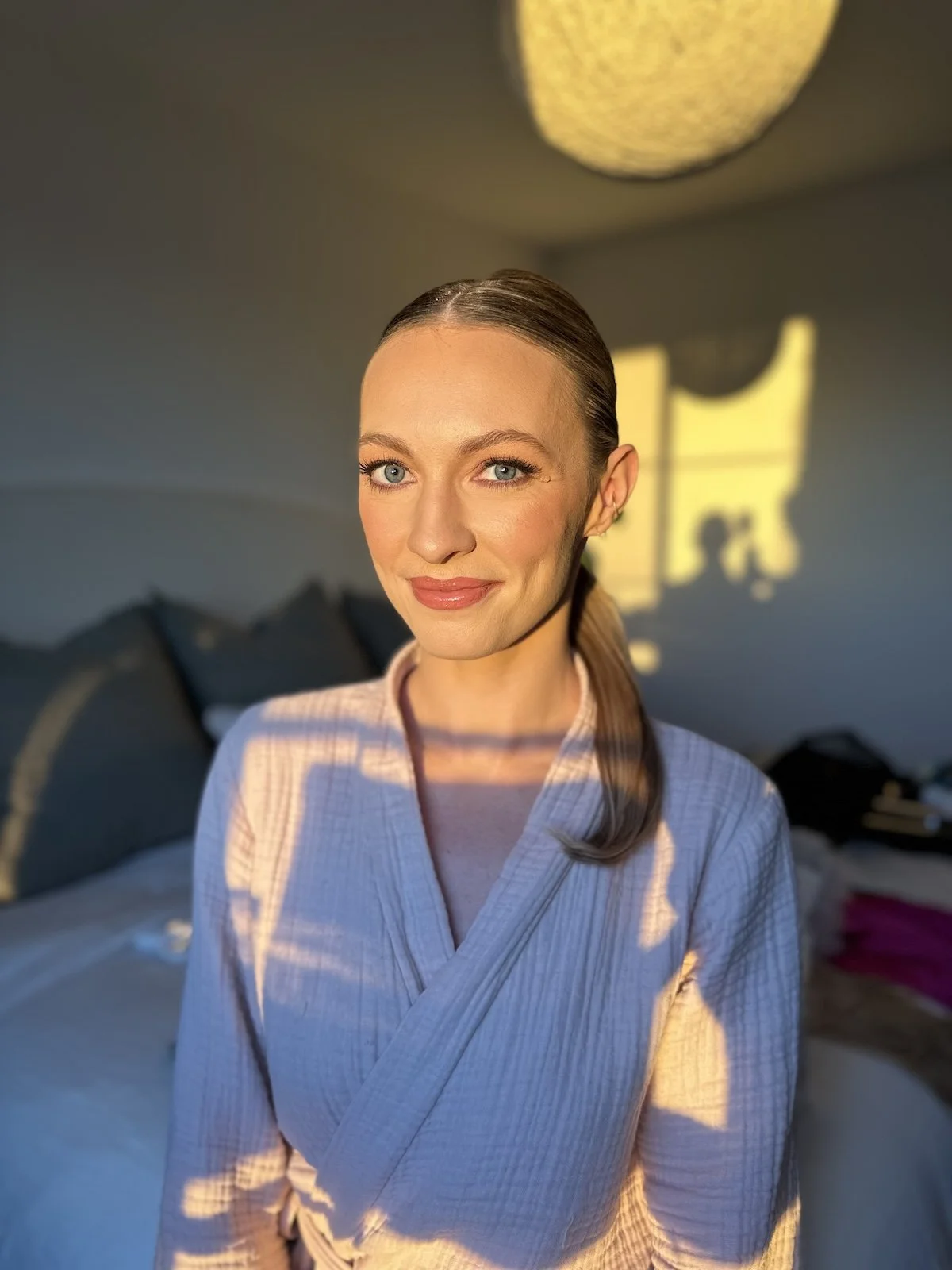
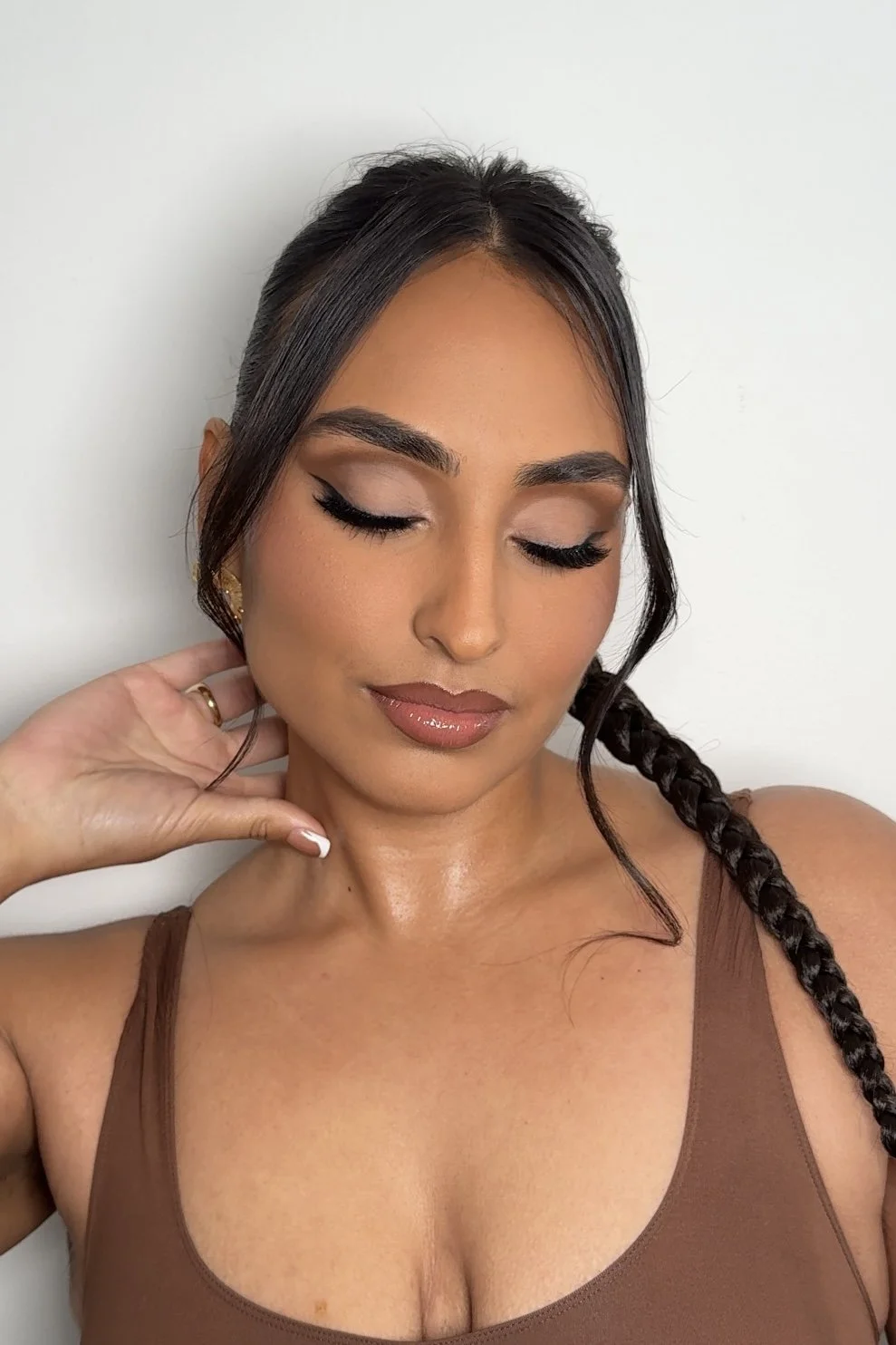
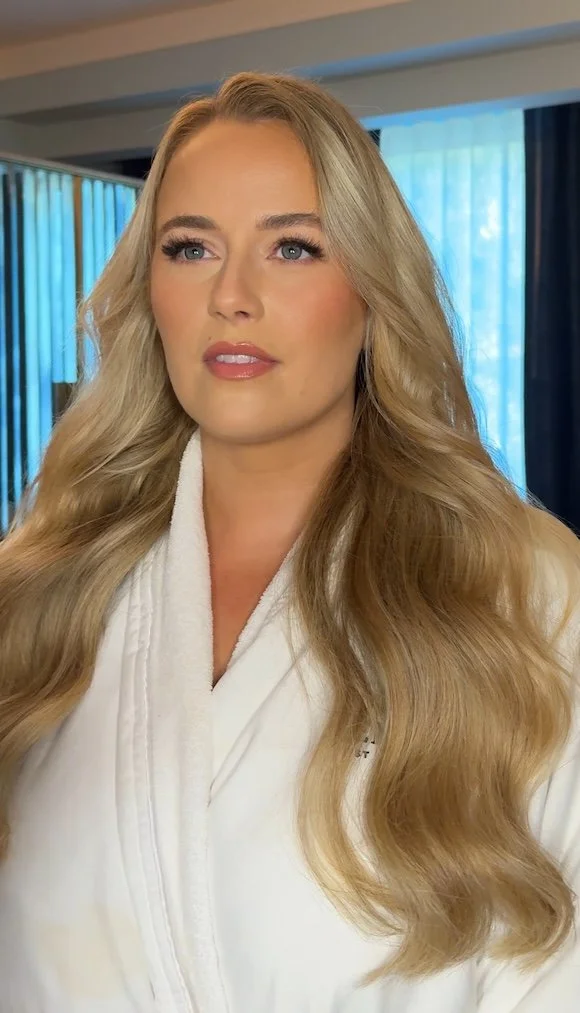
See some of work my using traditional application technique here:
Is Airbrush Makeup Worth It for Your Wedding or Event?
So, is airbrush makeup worth it? The answer is: it depends on your priorities.
Airbrush Makeup Pros:
Long lasting
Sweat-resistant
Lightweight feel
Smooth, even finish
Airbrush Makeup Cons:
Less customizable
Limited product mixing
Not always ideal for every skin type
For many searching for waterproof makeup or transfer-resistant foundation, airbrush can be a great option, but it is not the only option. Many foundation brands and makeup companies are making longwear & water resistant makeup the standard.
Looking Ahead: Will Airbrush Makeup Make a Comeback?
Short answer? I think yes! But not in the same way we saw in the 2010s.
Beauty trends are often very cyclical—but they also evolve alongside technology.
And right now, we’re entering a new era shaped by:
Ultra-HD cameras (Seeing pores we didn’t even know were there!)
Social media close-ups
Filters and editing tools
And increasingly… AI-generated beauty standards
The “AI Effect” on Beauty
We’re seeing a shift toward:
Perfectly even skin
Blurred texture
Hyper-smooth complexions
Almost digital-looking finishes
And what does that resemble? …. Airbrush makeup!
As expectations for “flawless” skin continue to rise—especially in digital spaces—I think we’ll see renewed interest in techniques that can mimic that effect in real life.
What the Next Wave Might Look Like
Instead of a full takeover, I predict:
Hybrid techniques (traditional + airbrush finishing)
Improved formulas with more flexibility and skin-like movement
Smarter tools—lighter, more precise, and more customizable
In other words, airbrush isn’t going anywhere. It’s just evolving—like everything else in beauty.

Final Thoughts: Airbrush Makeup in Today’s Beauty World
Airbrush makeup is one of those techniques that is standing the test of time—not because it’s trendy, but because it works.
It’s a powerful tool. But like all makeup techniques, it’s not one-size-fits-all.
Whether you choose airbrush makeup or traditional makeup for your event, the most important thing is working with an artist who understands how to customize your look for you.
If you’re a bride looking for a bridal makeup artist in Los Angeles for your wedding day, a red carpet beauty looking to leave your best at a Hollywood premiere, or beauty looking to bring her best to her next event, I’d love to help you create a look that feels effortless, radiant, and completely you.
Because at the end of the day, flawless makeup isn’t about the tool—it’s about the artist behind it.
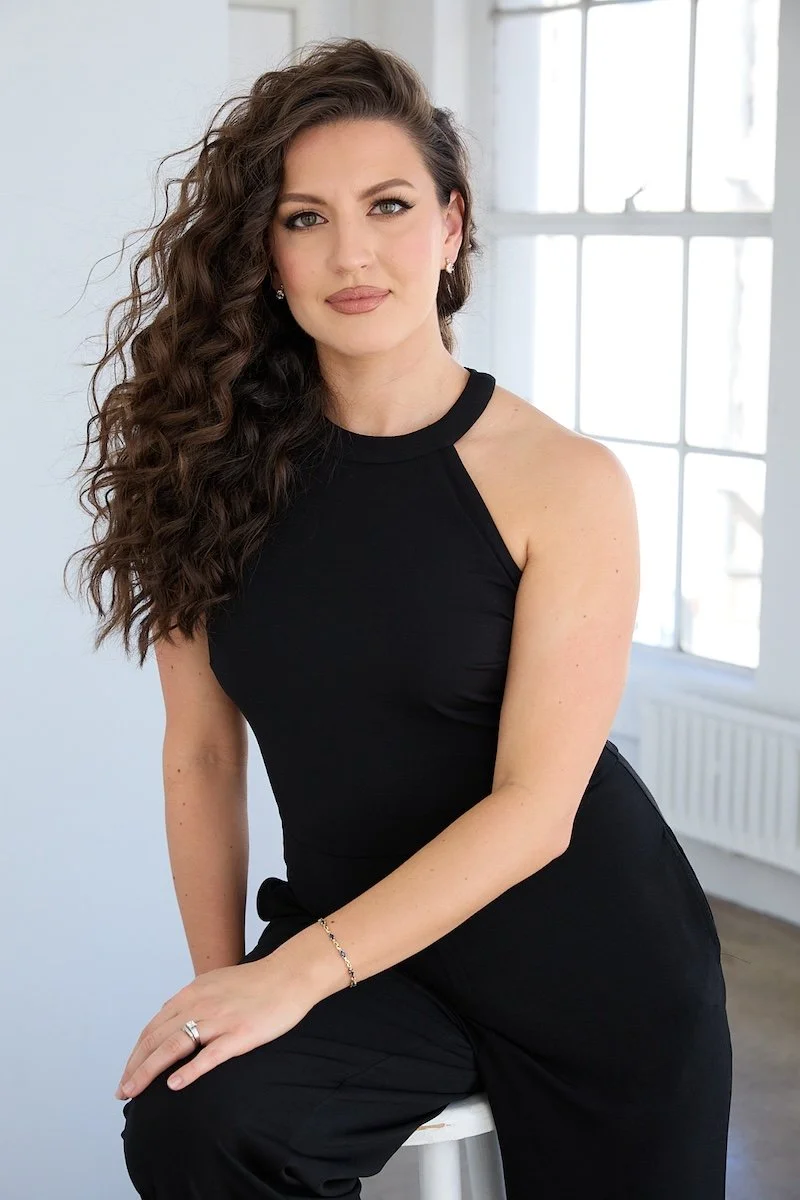
Hi! I’m Ruth!
Are YOU looking for the best Makeup and Hairstyling Glam artist for your Los Angeles event?
With over a decade of experience in the beauty industry—and a collection of awards recognizing my artistry—I bring a refined, elevated approach to every client I work with.
Whether you're planning an intimate celebration or a full-scale event, I offer fully mobile hair and makeup services throughout Los Angeles and beyond.
Wherever your day takes you, I’m there to ensure you feel confident, radiant, and completely taken care of!
Learn more:
-Wedding Day & Bridal Glam Services
-Event and Glam & Go Makeup & Hairstyling Services
-Red Carpet Event Makeup & Hairstyling Services
-On Set Video & Photoshoot Services
Or just Inquire Here to get the conversation started!